Monday, February 27, 2017

HUWA SAN TR50 Stabilized Hydrogen Peroxide for Modern Water Treatment Systems - ChemEqual

Clean Water is essential to sustain life, and it forms one of the most demanded consumer commodity as well as service throughout the world. Treated water is a critical environmental, agricultural and public health issue. Providing safe water is necessary for human health and development and global awareness of this issue is rising. The presence of bacteria, microbes and pathogen is a concern when considering the safety of drinking water. Meeting the goal of clean, safe drinking water and to protecting source water from contamination is crucial for a healthy society.

Huwa San TR 50 is an aqueous solution of Hydrogen Peroxide stabilized with colloidal silver and other stabilizing materials. It is a wide spectrum oxidizing biocide for water treatment and decontamination from slime, bacteria, virus, molds, algae and other water borne pathogens typically grow in reservoirs, on the walls of transmission water mains and in storage tanks, pipes etc. It is particularly suited to modern water system hygiene management where conventional treatment methods are not viable.


Huwa San TR50’s hydrogen peroxide based disinfectant formulation also destroys hydrogen sulfide and removes ammonia and other nitrogenous compounds that have unpleasant tastes and hinder disinfection. The addition of Silver ions provides residual disinfection qualities to protect the water from waterborne disease throughout the distribution system from treatment plant to the consumer's tap. It is odorless, tasteless, and colorless and is effective in both clear and cloudy water with rapid results. It is highly effective irrespective of temperature and pH variations.

Huwasan is:

ü  approved for use in public water supplies
ü  effective against legionella
ü  effective against pseudomonas
ü  effective against all bacteria and algae
ü  non-foaming
ü  compatible with other cooling tower chemicals
ü  penetrates and removes bio-films
  ü  Eco-friendly: breaks down into water and oxygen— no neutralization required in disinfecting tanks.

ChemEqual is the largest global database for all sorts of chemicals and Huwa-San TR50 and similar biocides and water treatment chemicals can be easily found and enquired here.


Monday, February 6, 2017

Effective Sulfuric Acid Pickling with Rodine 85 - ChemEqual

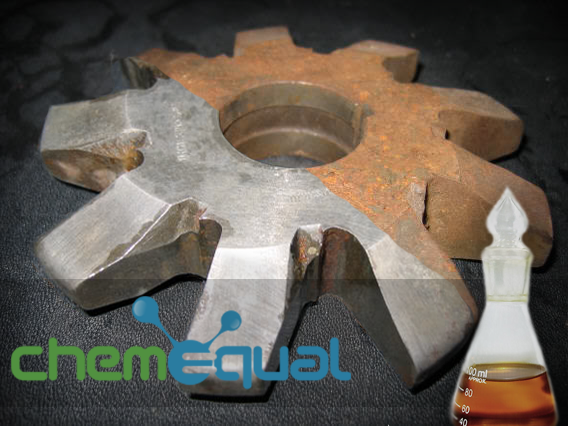
Long term use of metal components in industries often makes them susceptible to formation of rust and surface distortion by scaling. In order to maintain surface quality and remove rust, acid treatment is employed. The metal parts are dipped in acid baths to oxidize and remove hard scales and rust layers. But since all acids have a corroding tendency with metals, acid treatment forms a root cause for concern particularly due to abrasive and corrosive loss of precious base metal leading to surface pitting and distortion.

Acid inhibitors are administered in acid pickling baths to prevent loss of base metal after proper pickling. It also helps to extend the life of acid baths. Using of inhibitor in acid solution limits the acid attack on base metal, therefore minimizing base metal loss. A potent acid inhibitor helps to alleviate acid attack on the base metal once the scale has been removed, lending protection to the surface and optimizing acid utilization.

Rodine 85 serves as a soluble, low foaming, liquid corrosion inhibitor formulated for use in conventional sulfuric acid pickling operations. It is an amalgamation of 1,3-Diethyl Thiourea, Formaldehyde, substituted Triazine & O-Toluidine, Propargyl Alcohol and detergent. Rodine 85 is effective on any type of steel, and can be used at any acid concentration. Rodine 85 is an effective inhibitor for phosphoric and acetic acids, as well as sulfamic, citric, oxalic, and sodium bisulfate solutions in pickling and industrial cleaning operations.

Rodine 85 dosage greatly depends on the type of metal, the temperature of operation and the sequence of cleaning operation. The recommended amount of Rodine 85 to be used for pickling is always given in percent by volume of the concentrated acid, regardless of the degree of acid dilution used. RODINE 85 should be used at a concentration ranging from 0.05 to 0.30 percent by volume of the diluted acid regardless of the degree of acid dilution used. In addition, it is recommended that Rodine 85 inhibitor be used at a concentration not less that 0.5% by volume of the concentrated liquid acid or not less that 0.5% by weight of the concentrated solid acid, regardless of the temperature of the industrial cleaning operation.

ChemEqual is the largest online database for chemicals and their equivalents and Rodine Acid Inhibitors can be easily searched and enquired here.


Sunday, February 5, 2017

Rodine 2010 Corrosion Inhibitor for Boiler Chemical Cleaning

Boiler systems and pipelines associated with power plants and heating systems often face the problem of mineral scaling on the inner linings and transmission bends. This is mainly due to the residual hardness of the coolant water used. While treated water is essential, minute traces of partially soluble salts of calcium, magnesium, strontium, as well as due to silica and ferrous oxides. While scaling may lead to choking and rupture of transmission pipes, oxidation due to unregulated pH of boiler feed water can result in corrosion and pitting of metal. Thus various boiler scale removal chemicals are employed to clean and maintain optimum operation efficacy of boiler systems.

The two primary choices include Ammoniated EDTA and Ammoniated Citric acid for cleaning. They are both weak organic acids and remove mineral scales and oxides by oxidation and metal ion chelating. But as the case with all metal-acid processes, acids often corrode and cause damage to metal surfaces. And damaged/abraded inner linings of boiler pipes have a risk of exploding at high water temperature and pressure. Thus appropriate acid inhibitors are needed to limit the acid attack on base metal, therefore helping check economic loss and ensure safety.

Rodine 2010 is by far the most popular choice as corrosion inhibitor for chemicals used in boiler cleaning. It is a low toxicity, non-flammable, highly soluble low viscosity liquid metal loss inhibitor for use in tetra ammoniated EDTA and tetra ammoniated Citric acid cleaning solutions. Rodine 2010 not only minimizes ferrous metal loss during chemical cleaning of power plant boilers but also effectively prevents pitting and crevice corrosion of metal surface. Rodine 2010 has a maximum operating temperature of 350°F when used with EDTA and 200°F when used with Citric acid cleaning solution with an operational life of 24hours. Laboratory testing has confirmed that it is more soluble than other commercial inhibitors at elevated pH and advantageously permits post-oxidation and dissolution of metallic copper deposits at significantly higher rates than other commercial corrosion inhibitor chemicals.

ChemEqual serves as the largest online database of chemicals and their equivalents and Rodine Acid Inhibitors from various global suppliers and manufacturers can be found and enquired here.


Monday, January 30, 2017

Rodine 31A - Corrosion Inhibitor to limit acid attack on base metals

Formulated with an acidic blend of complex alkyl pyridines, 1, 3-diethyl thiourea, Rodine 31A serves as an aliphatic nitrogen corrosion inhibitor that provides protection to brass, steel and copper metals against the attack of sulfuric, phosphoric, sulfamic, formic acid, acetic oxalic acid, citric acid, bisulfate solution and mixtures thereof and conditionally for hydrochloric acid solutions. Rodine 31A Corrosion Inhibitor presents itself as a chloride free inhibitor. It has a maximum operating temperature of 180°F. It imparts excellent pickling and modifies the metal surface to help in the prevention of corrosion.

Acidic treatment is important in providing protection to the metals used in the industries against scaling and rusting. This acid treatment is mostly carried out variously to assist in the eradication of scale and rust but instead & often triggers abrasion of metals as they exhibit corrosive properties. This process not only influences the metal properties but also causes loss of base metals after acid solution pickling. Acidic Corrosion often causes gradual wearing off of material by acidic compounds.

This acidic corrosion is an electrochemical process which is directed by the diffusion of moisture, oxygen and availability of acidic pollutant on the metal surfaces. This brings about the requirement of acid inhibitors to aid in limiting the acid corrosion on base metal, therefore helping reduce the economical loss in several industrial sectors. The type and concentration of the corrosion inhibitor used is generally derived based on the type and properties of the metal to be protected and the conditions under which the metal is to be treated. Rodine 31A Corrosion Inhibitor is an acid inhibitor specifically to protect metals from corrosion by organic and mineral acids.

Features:

-Single product for multiple acids
-Helps in imparting excellent pickling
-Modifies metal surface to prevent corrosion
-Chloride free and is easily soluble with all acid concentrations

ChemEqual is the largest online directory of chemical suppliers, consisting of a vast database of manufacturers & suppliers that deal with trading of Rodine 31A Corrosion Inhibitor or other acid corrosion inhibitor products.


Tuesday, January 24, 2017

DOWCAL 200 Inhibited Propylene Glycol-based Heat Transfer Fluid - ChemEqual

Propylene glycol, also known as Propane-1,2-diol is used as a heat transfer fluid and antifreeze, particularly as a low corrosion non-toxic substitute to ethylene glycol based cooling systems. In aluminium based cooling systems like HVAC/R, propylene glycol has shown efficacy comparable to ethylene glycol.

Benefits of PG:
s  Low freezing point
s  The ability to decrease the freezing point of water
s  Burst protection
s  Low mammalian toxicity
s  Low flammability
s  Excellent heat transfer properties
s  A high boiling point, low vapor pressure

Water based fluids expand in volume when they freeze, causing rupturing of pipes and containment vessels. Ethylene glycol has severe toxicological and environmental implications making it unsuited for cases of human exposure. Water-PG mixtures in low temperature conditions do not create extra pressure on vessel walls and in case of leakage, they are not hazardous. This makes Propylene glycol the ideal active ingredient as heat transfer fluid in industrial systems.

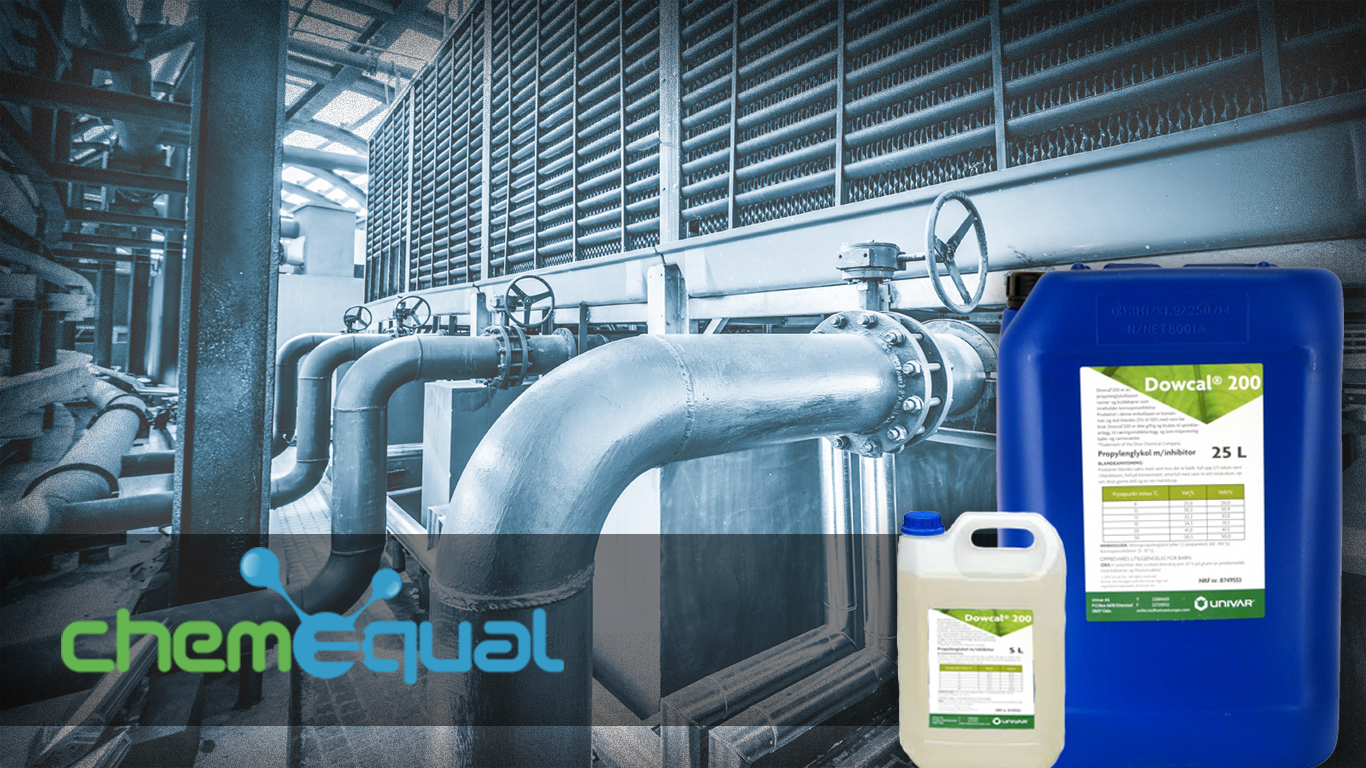
DOWCAL 200 manufactured by DOW Chemicals is propylene glycol based heat transfer fluid antifreeze that has a wide range of application.  It has been formulated to operate at temperatures higher than what ordinary glycol fluids can. It has a low acute oral toxicity and includes a specially designed inhibitor package to prevent corrosion of common materials used in HVAC, Food beverage processing, solar power plants etc.

Applications:
·         Single fluid process heating and cooling
·         Closed-loop water based heating & air conditioning systems
·         Food and brewery industry
·         HVAC systems
·         Pharmaceuticals
·         Secondary cooling and heating
·         Freeze and Burst protection
·         Renewable energy systems


ChemEqual is a unique online chemical and equivalents database and B2B marketplace where Propylene Glycol based antifreeze like DOWCAL 200 and its equivalents can be easily searched and enquired here.


Tuesday, January 3, 2017

RODINE 92B Acid Inhibitor for Food Processing equipment cleaners - ChemEqual

Effective cleaning of equipment in the food processing industry is required to reduce chances for contamination of during preparation, processing, storage & serving. Cleaning prevents attraction of lower life forms like food pathogens, increases equipment life, boosts employee morale and efficiency and accounts for aesthetic considerations of consumers. The primary cleaning agent is water; free from disease producing organisms, toxic metal ions and objectionable taste & odor. But such quality of cleaning water is hard to achieve and chemicals are tailored to meet cleaner specifications based on water composition and operation type.

Acid Type Cleaners & Corrosion:
Acid cleaners are used in the food processing industry for milkstone removal and cleaning equipment like broth tanks, ingrediators etc. A wide choice of acid type cleaners for mineral scale removal exist today but organic acids and blends of organic acid type cleaners and chelating agents have found much popularity in recent times. This is because they are much less corrosive than mineral acids and alkaline cleaners. Citric acid and EDTA are frequently used for this purpose owing to a better pH regulation and less aggressive surface action.

Nevertheless, acid cleaning chemicals are corrosive to the base metal and are responsible for corrosion & pitting of surface. Inhibitors for Citric Acid descaling solution are usually applied at very low concentrations (1000-3000 ppm) to provide upto 99.8% corrosion inhibition during acid cleaning processes. Depending on the acid type used, specific corrosion inhibitors are designed to remove scales and deposits from equipment while minimizing base metal loss. They are of mostly polymeric origin and act by forming chelating structures, proving high efficiency as inhibitors in acid chemical cleaning operations.

RODINE 92B is a blend of semi-foaming corrosion inhibitors specifically formulated for preventing corrosion by Citric acid and EDTA based cleaners. It is highly efficient at protecting metal surfaces such as steel and copper alloys commonly associated with equipments in food processing and packaging industry. It has been shown to assist in surface cleaning and descaling actions by acid cleaners without any pitting or corrosion on metal surface.

With respect to the nature of industry where rodine acid inhibitors are used, toxicity issues for inhibitors is of prime concern & exposure to humans due to improper/inadequate rinsing is a possibility. Rodine 92B has been designed for such special applications and contains ingredients generally recognized safe to humans thus suitable for cleaning of food equipment.

Key product features are:

·         Modifies metal surface to prevent corrosion
·         Excellent wetting properties for better cleaning
·         Enhances cleaning efficiency

Rodine 92B is effective upto a temperature of 85°C/185°F and can be applied in all types of food processing, packaging & storage industries as inhibitor for acid cleaning systems.

ChemEqual is a online global chemical marketplace for Acid Inhibitors where Rodine type & its equivalent inhibitors can be found.

Wednesday, December 28, 2016

NALCOOL 2000 - Automobile Coolant Corrosion Inhibitor

Corrosion and scaling in automobile cooling systems is primarily by chemical reaction of oxidizing agents in the coolant on the metal components. The type and nature of materials present at heat exchanging surfaces, the temperature of the system, pH and type of corrosive elements present in the coolant determine the type of inhibitor package needed.

Conventional water based coolants constantly need additives in the form of mineral inhibitors such as phosphates, nitrites and borates for poplar heat exchange surface metals like aluminium, copper etc along with other parts made from cast iron & mild steel. Absence of suitable inhibitors can cause corrosion, metal cavitation, scaling and cause leaks by destruction on rubber gaskets and head caps. Liquid coolant additives serve ideally as easy to use blends that can be directly mixed with coolant water for easy and quick anti-corrosive action on coils, coolant pump and radiator fins.

Corrosion inhibitors are generally blends of chemicals added to the coolant water to reduce material loss and system damage due to oxidation. The prerequisite is a passivation agent to coat the metal surfaces preventing further corrosion followed by neutralization of oxidizing ions in the coolant thus reducing cavitation. Best corrosion inhibitors need to be fast acting and thermally stable so as to operate at high temperatures and high coolant flow rate. Nitrite, Borate, Silicate and Polyacrylate formulations seem to be the most popular as corrosion and rust inhibitors. This is due to the fact that they are able to remove most oxidizing agents in common coolants while passivating metal surfaces for a long lasting corrosion control. The only requirement is to keep a steady inhibitor concentration in the system.

NALCOOL 2000 manufactured by Nalco Company is a synergized inhibitor blend for metal passivation and sale suppression as a water soluble corrosion inhibitor. It has been designed for all common engine cooling systems and is ideal to protect ferrous metals, copper & its alloys, aluminium etc. as well as rubber gaskets and non-metallic components within the cooling system. NALCOOL 2000 is available in liquid form making it easy to use and apply, fully compatible with water and ethylene glycol based coolants. It does not contain chromates and has been tested internationally to maintain a high degree of heat transfer efficiency & long engine life.

Outstanding features of the product include:
s  Protection of all common cooling system metals
s  Cavitation protection
s  Minimized sludge and scale formation
s  Liquid, safe & easy to apply formulation
s  Compatible with wide range of coolants and dyes
s  Approved by all leading automobile engine manufacturers

NALCOOL 2000 is the perfect corrosion & scale inhibitor for coolants in small auxiliary diesel engines containing aluminium components.

ChemEqual is a vast online specialty chemical database and NALCOOL 2000 as well as equivalent compositions of coolant corrosion inhibitors can be found here from among a wide range of global suppliers.